Organizational Psychology

1

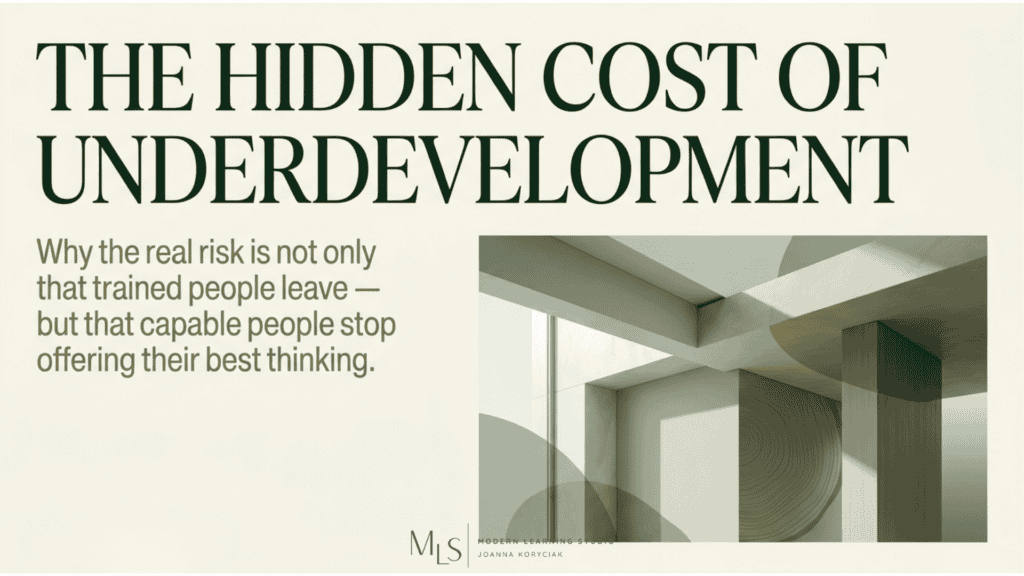
The Hidden Cost of Underdevelopment

Underdevelopment rarely looks like failure. More often, it looks like stability: people still show up, meetings still happen, and the work still gets done. This article explores the hidden organizational cost of unsupported growth — the quiet loss of questions, ownership, initiative, and contribution from capable people who could have developed further. Grounded in Gallup research, it reframes employee development as performance infrastructure, not a perk.

The Hidden Cost of Underdevelopment Read More »
1

Learning Creates Hope

Learning is often treated as skill development, but its deeper function is creating hope. This piece explores how learning builds trust, growth, possibility, and engagement — and why HR and learning leaders should design development experiences that help people see a future worth growing toward.

Learning Creates Hope Read More »

1

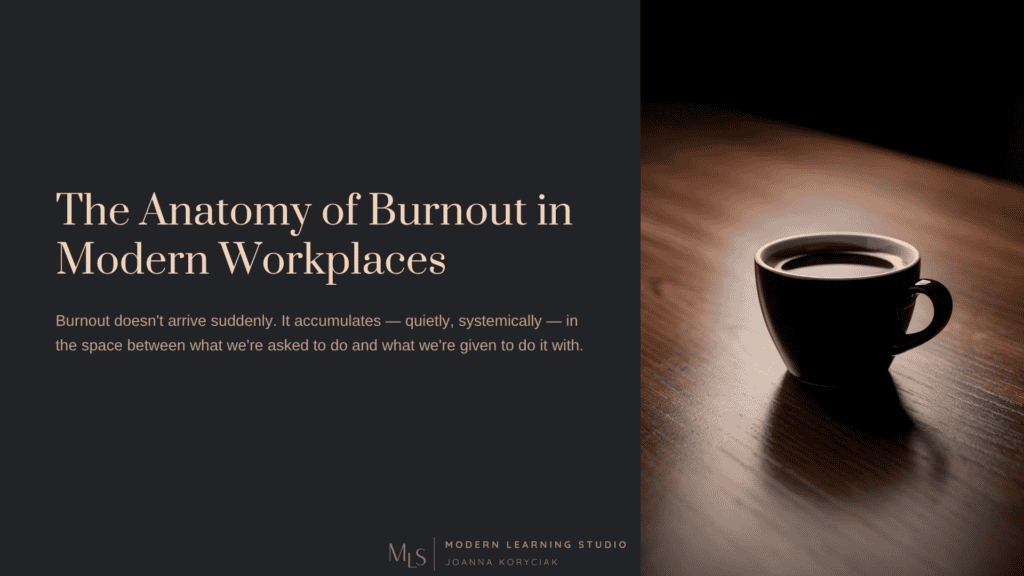
The Anatomy of Burnout in Modern Workplaces

Burnout is often treated as an individual problem, but it frequently begins as system strain. This piece examines eight workplace fault lines — ambiguity, emotional masking, context switching, cognitive overload, unclear expectations, sustained interruptions, operational friction, and emotional exhaustion — and reframes burnout as a design issue that leaders can address through clearer systems, expectations, and work conditions.

The Anatomy of Burnout in Modern Workplaces Read More »

1

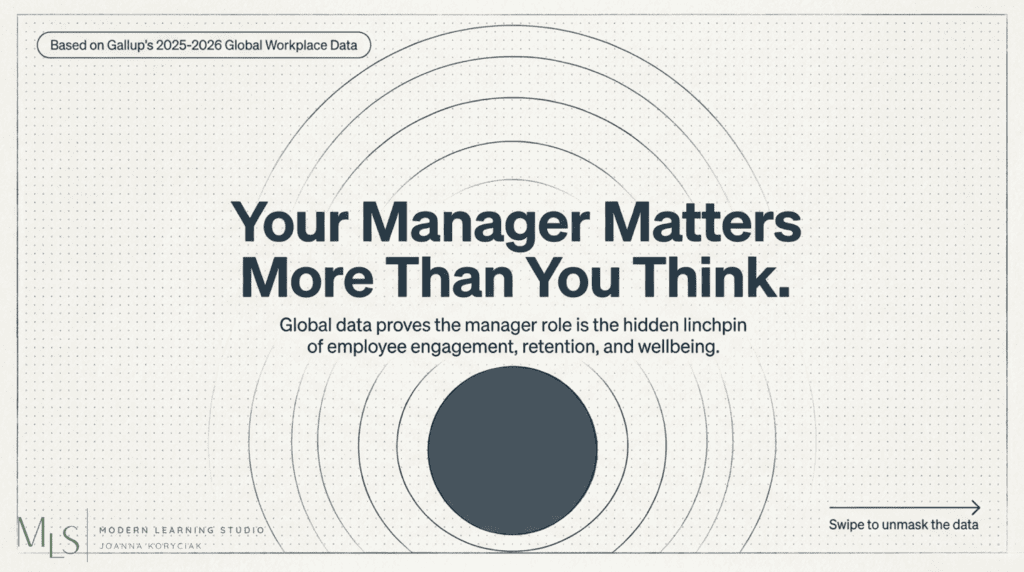
Your Manager Matters More Than You Think

Most organizations invest heavily in strategy.
Far fewer invest in manager capability.
Yet managers shape daily employee experiences more than almost any organizational policy.
Engagement, retention, wellbeing, and performance often rise or fall at the manager level.
Developing managers isn’t just leadership training.
It’s one of the highest-leverage investments an organization can make.

Your Manager Matters More Than You Think Read More »

1

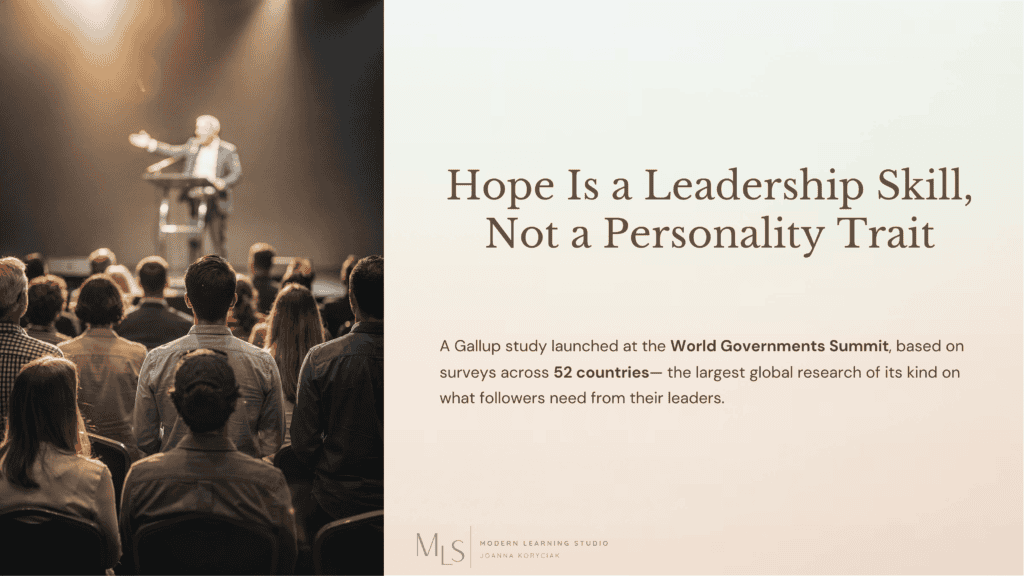
Hope Is a Leadership Skill, Not a Personality Trait

Many leadership conversations focus on communication, accountability, or strategy.
Gallup’s research points to something even more fundamental:
People want hope.
Not empty optimism.
Not motivational speeches.
Hope is the belief that tomorrow can be better than today—and that someone is helping create a path forward.
That changes how we think about leadership, learning, and employee development.

Hope Is a Leadership Skill, Not a Personality Trait Read More »

Designing Innovative Modern Learning Studios

Understanding Modern Learning Studios Modern learning studios are reimagined educational spaces designed to foster collaboration, creativity, and critical thinking. They move away from traditional classroom layouts and embrace flexible, adaptable environments that cater to diverse learning styles. With a focus on training design, these studios typically incorporate technology, interactive layouts, and comfortable seating to create

Designing Innovative Modern Learning Studios Read More »