
Why disengagement is rarely sudden — and how organizations can detect the invisible drift before employees leave.
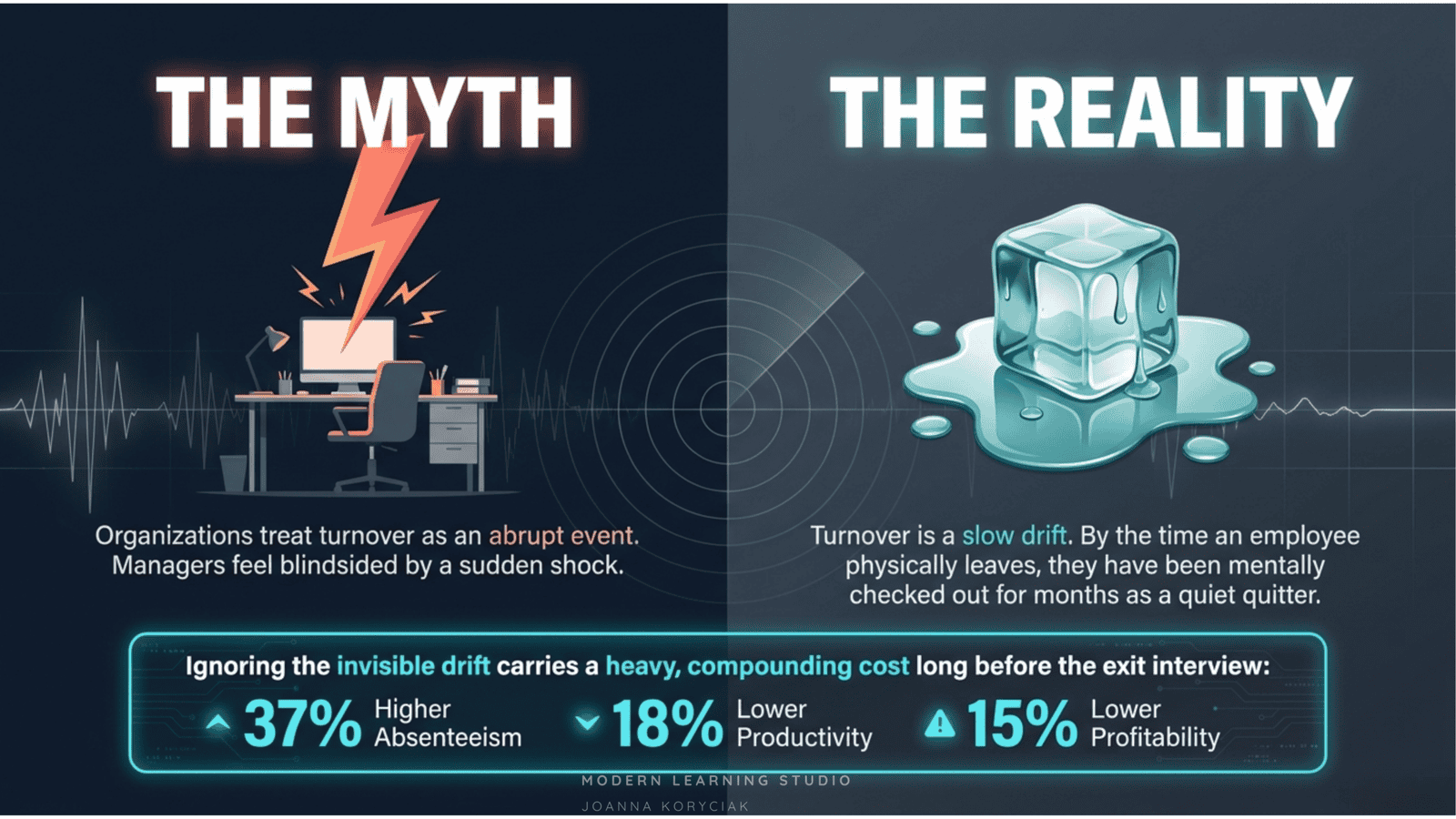
Employee turnover is often treated like a sudden organizational failure.
A resignation appears unexpectedly. Leaders scramble to understand what happened. Exit interviews become retrospective investigations attempting to reconstruct a problem that had already been unfolding quietly for months.
But turnover rarely begins with a resignation letter.
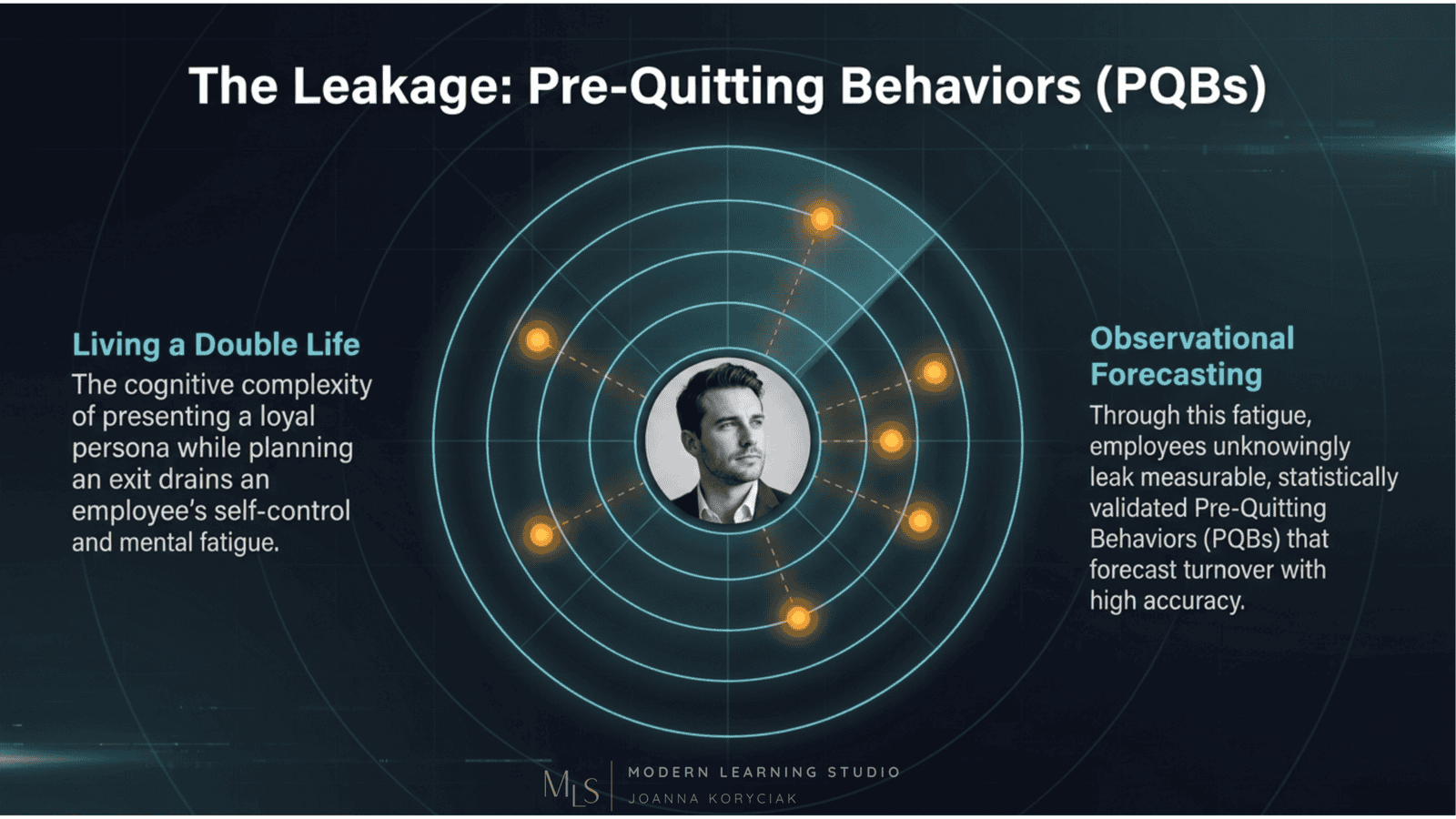
More often, it begins with subtle withdrawal.
- An energy shift.
- Reduced initiative.
- Avoidance of long-term projects.
- Lower participation.
- Emotional distancing masked behind professionalism.
The visible resignation is simply the final stage of a much longer process.
Modern organizations spend enormous resources reacting to turnover after it becomes measurable. Yet the earliest indicators of disengagement frequently emerge long before formal retention metrics detect a problem.
This creates an operational blind spot.
The challenge is not simply retaining employees. The challenge is recognizing disengagement while it is still reversible.
The Invisible Drift
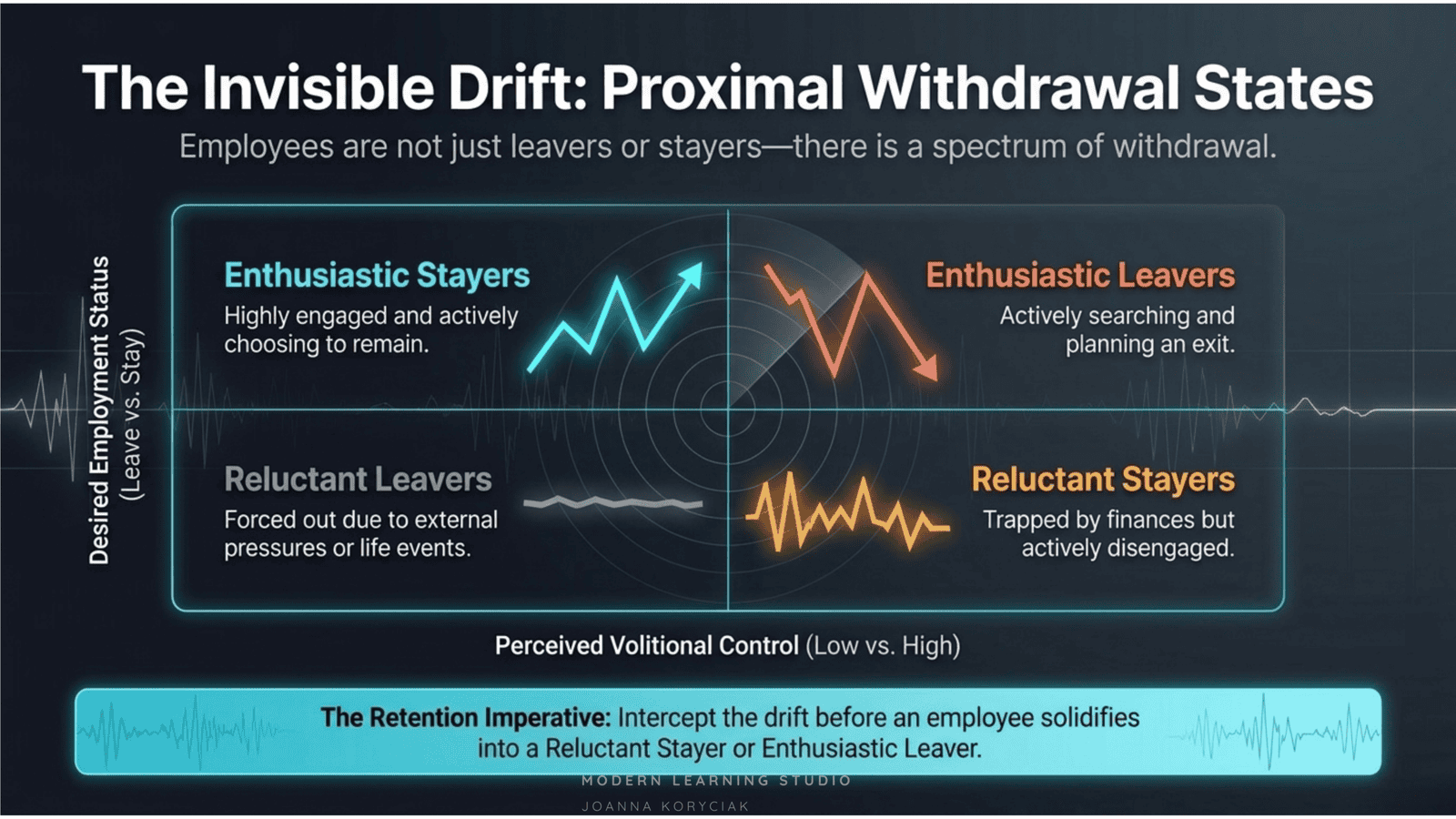
Employees rarely exist in two categories: “engaged” or “disengaged.”
In reality, workplace engagement operates across a spectrum.
Some employees remain highly engaged and intentionally committed to the organization. Others may already be psychologically detached while still maintaining acceptable performance. Some actively seek new opportunities, while others stay physically present despite emotional withdrawal due to financial obligations, uncertainty, or external pressures.
This gradual drift matters because behavioral withdrawal often precedes resignation.
Organizations that only measure turnover rates are measuring the final outcome rather than the underlying system conditions producing it.
Engagement Signals Are Operational Signals
Disengagement frequently reveals itself through small behavioral changes rather than dramatic events.
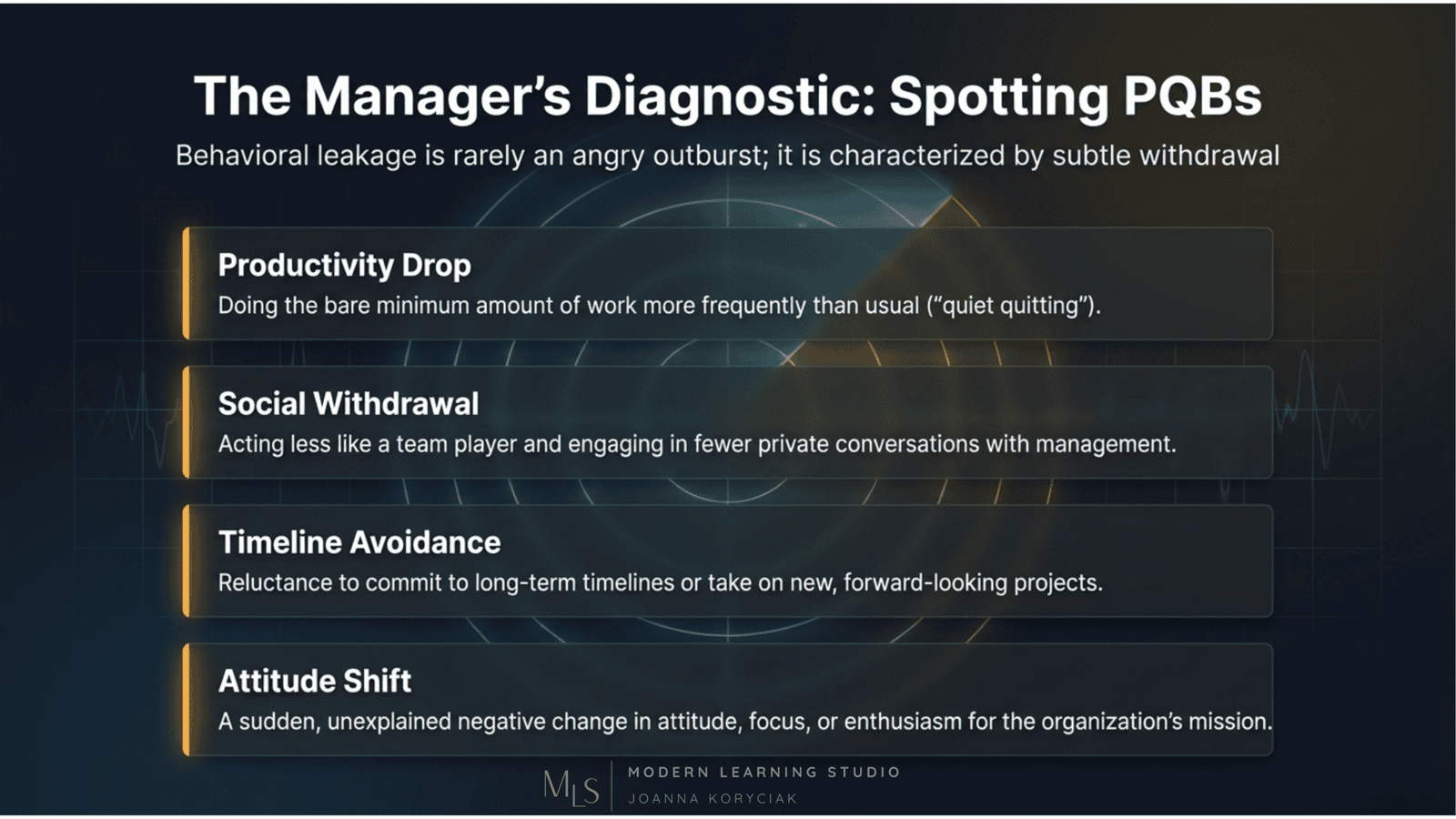
Examples may include:
- declining initiative
- reduced collaboration
- avoidance of forward-looking responsibilities
- lower participation in optional discussions
- visible shifts in attitude or responsiveness
- increased minimal-effort behavior
Individually, these signals may appear insignificant.
Collectively, they can indicate growing psychological distance between the employee and the organization.
The problem is that many organizations interpret these changes as isolated performance issues rather than engagement indicators.
This creates reactive management cycles instead of proactive intervention.
Why Traditional Retention Strategies Often Fail
Many organizations attempt to solve retention problems at the final stage of disengagement.
Counteroffers.
Emergency conversations.
Reactive stay interviews.
Retention bonuses introduced after trust has already deteriorated.
These approaches often arrive too late because they focus on stopping resignations rather than understanding the conditions that created disengagement in the first place.
Retention is not primarily an exit-stage activity.
It is an ongoing operational process shaped by:
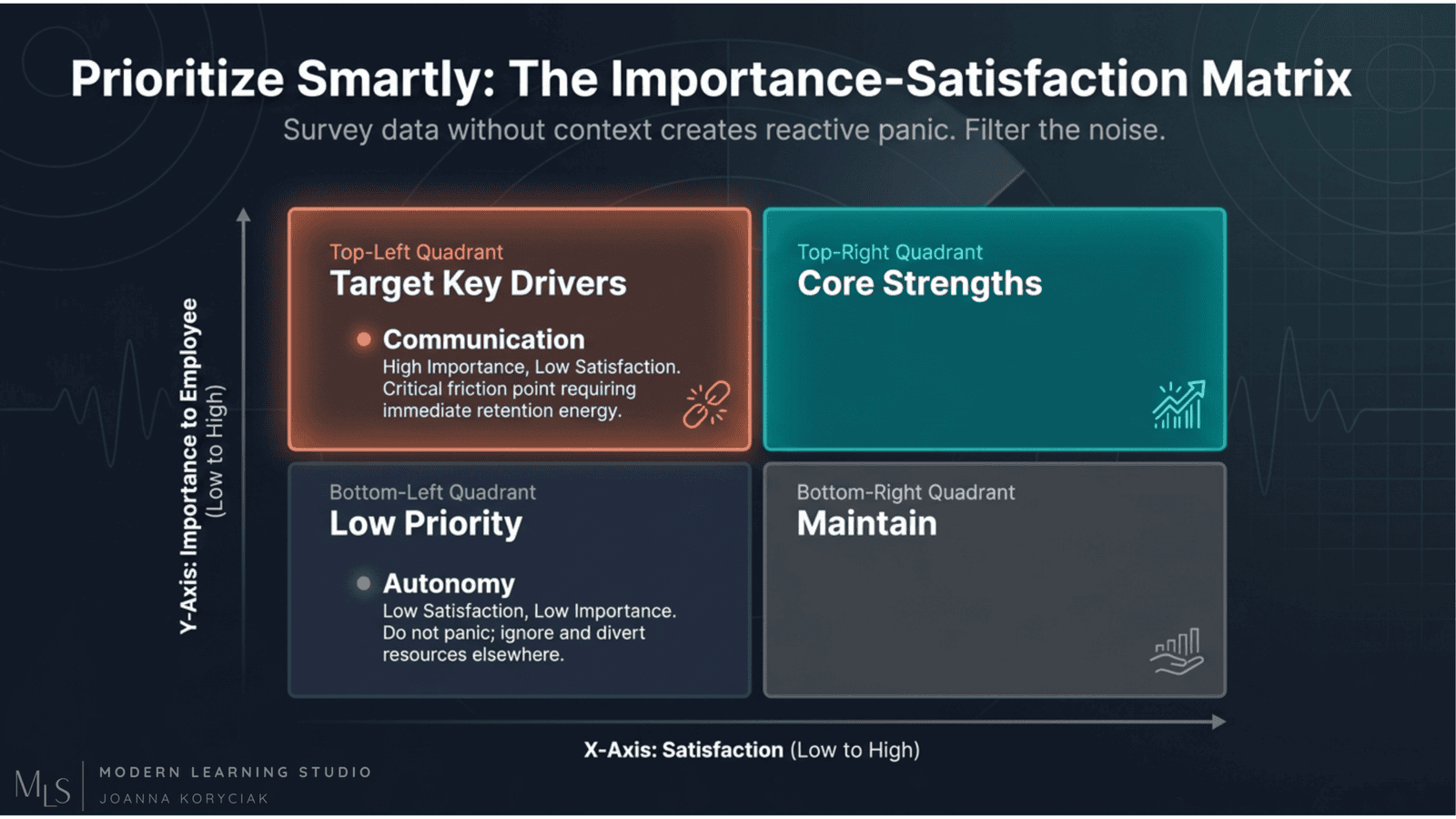
- communication
- leadership quality
- autonomy
- trust
- psychological safety
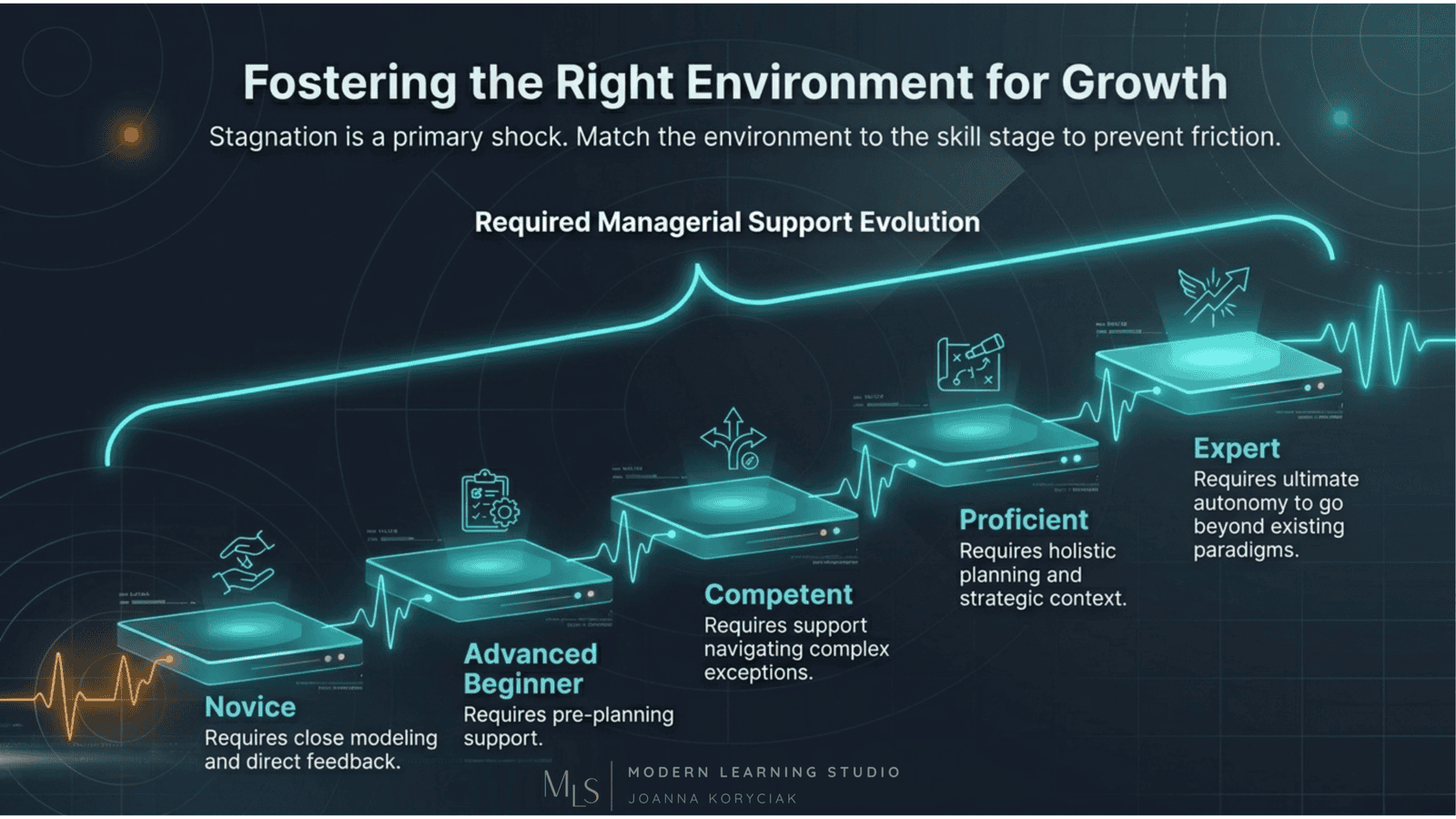
- growth opportunities
- workload sustainability
- alignment between employee capability and organizational systems
When these conditions weaken over time, disengagement accelerates.
Continuous Listening vs Annual Diagnosis
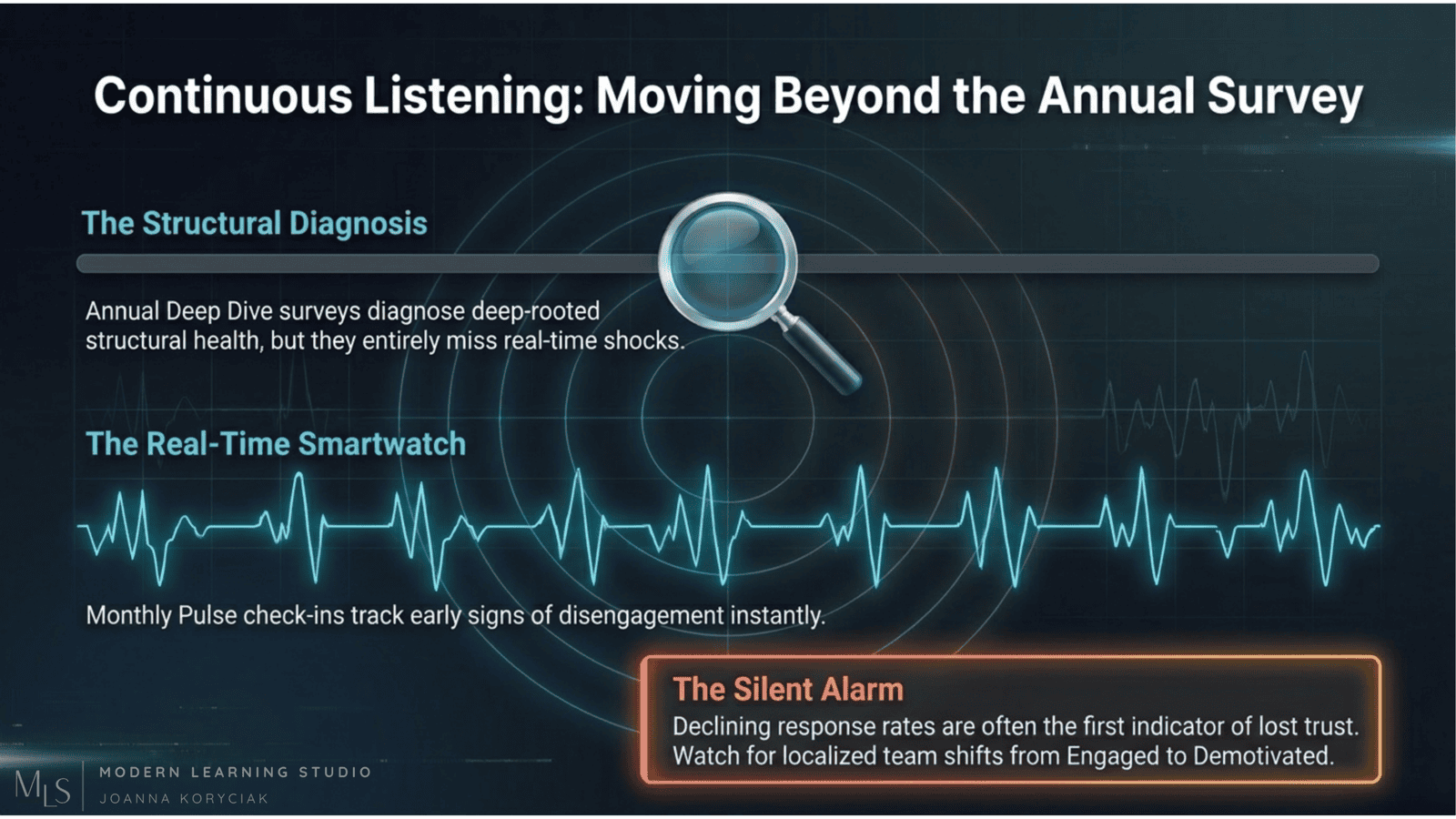
Traditional engagement surveys often function like annual organizational snapshots.
They identify broad structural trends but frequently miss real-time workforce shifts.
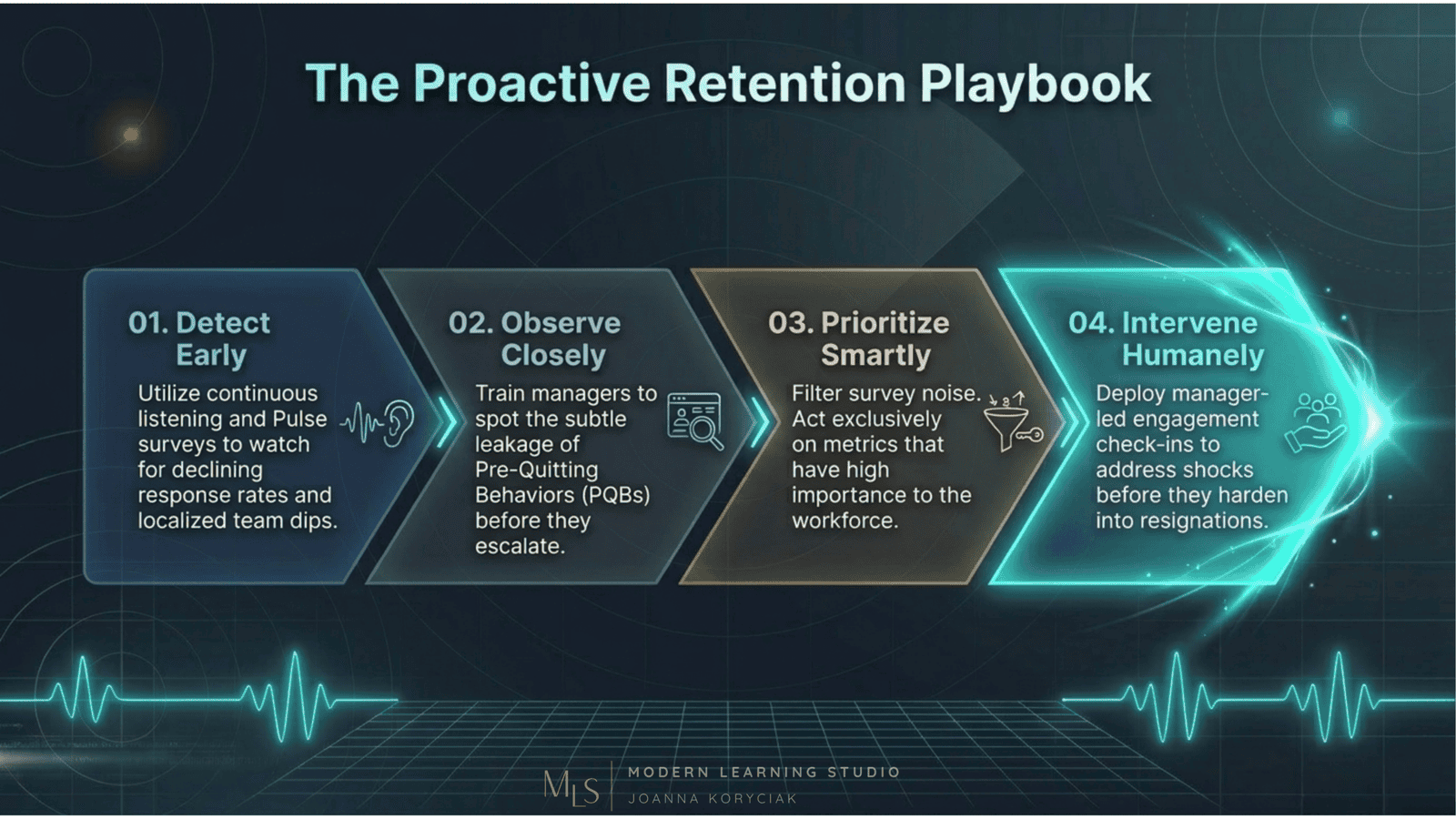
A more modern approach requires continuous listening systems:
- pulse surveys
- manager check-ins
- localized team analysis
- behavioral observation
- trend monitoring
- direct career conversations
The goal is not surveillance.
The goal is operational awareness.
Organizations that identify engagement drift early gain significantly greater ability to intervene constructively before disengagement solidifies into turnover intent.
The Manager’s Role
Managers frequently become the most important engagement variable inside organizations.
Not because they single-handedly create engagement, but because they shape the day-to-day environment employees experience most directly.
Managers influence:
- communication clarity
- psychological safety
- workload interpretation
- development opportunities
- recognition
- autonomy
- trust
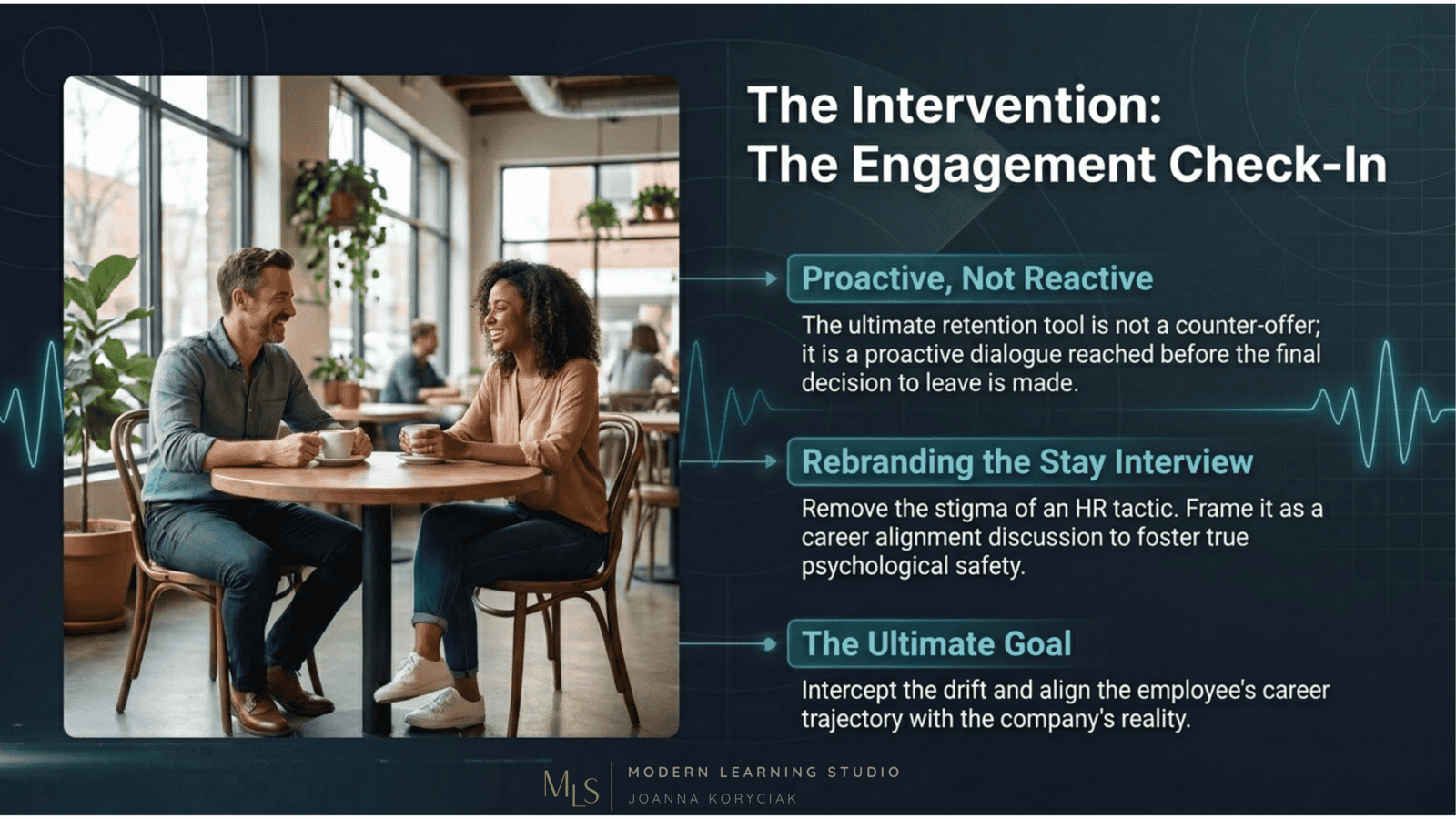
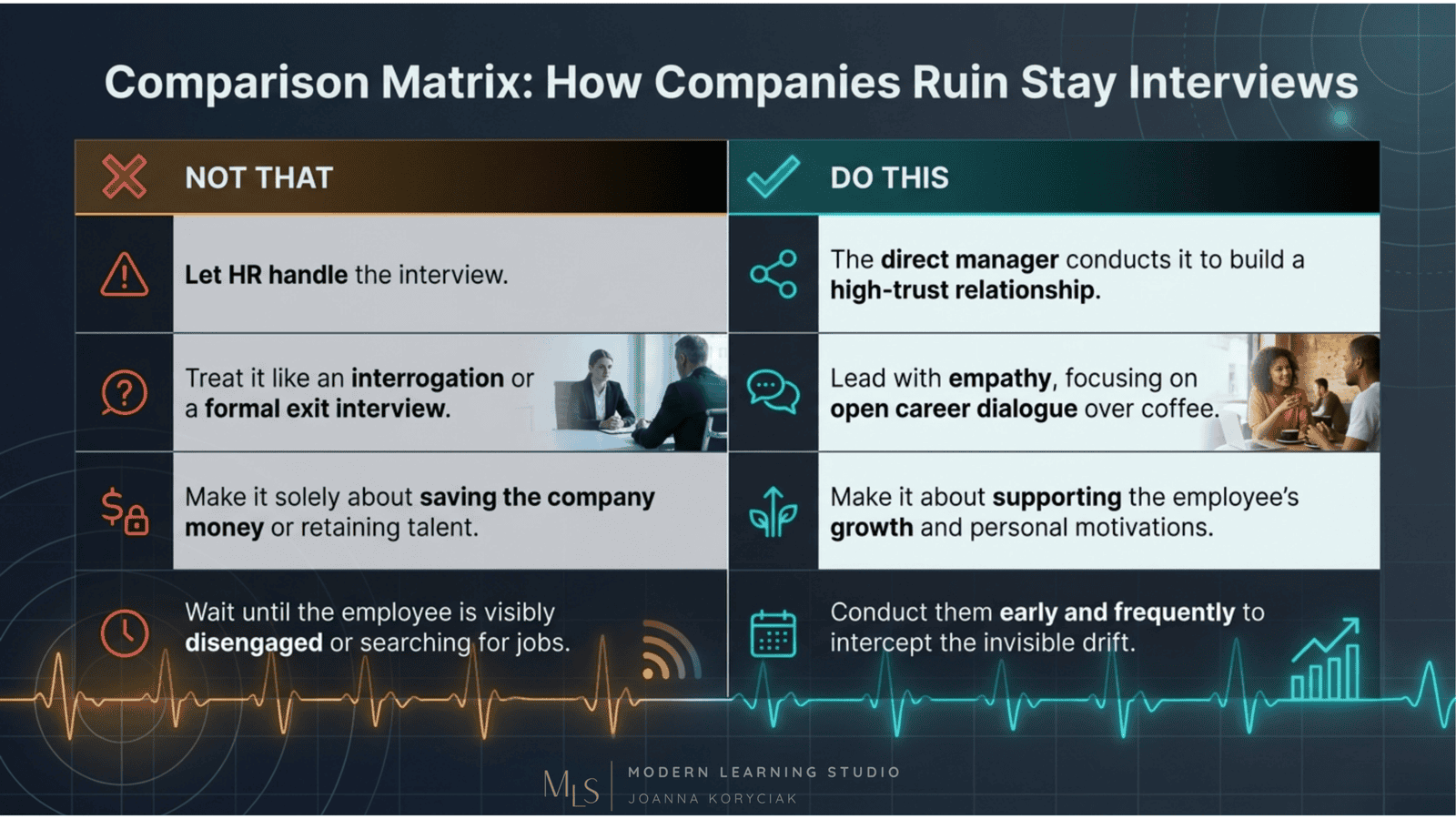
This means retention conversations should not feel like interrogations designed to “save” employees from leaving.
The most effective engagement conversations are proactive, developmental, and human-centered.
They focus less on extracting loyalty and more on understanding alignment:
- career direction
- growth
- friction points
- workload realities
- support needs
- motivation shifts
Organizations that normalize these conversations early often reduce the need for crisis-stage retention efforts later.
Engineering Engagement
Engagement cannot be forced.
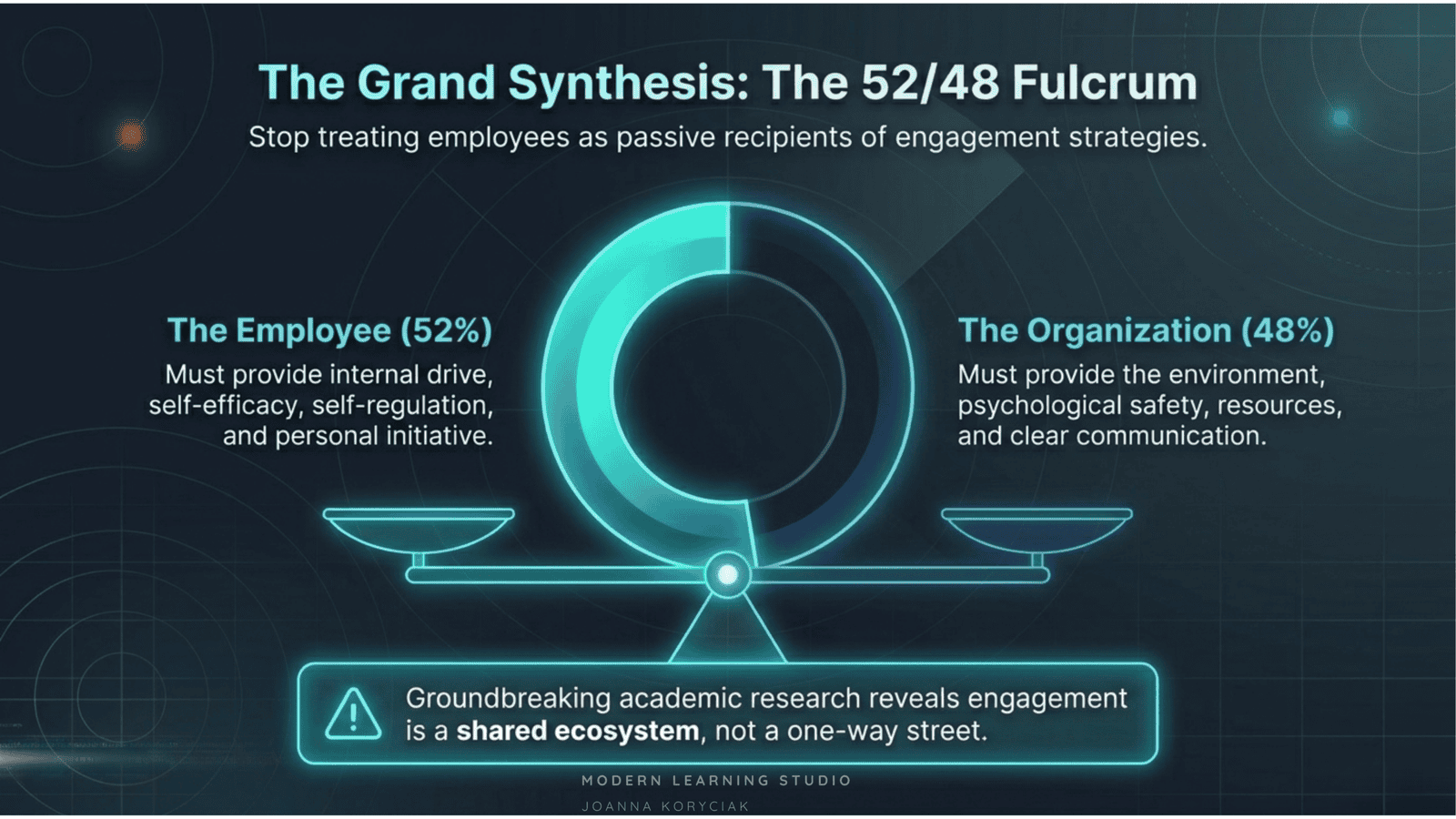
Employees are not passive recipients of organizational motivation strategies.
But organizations do shape the systems employees operate within.
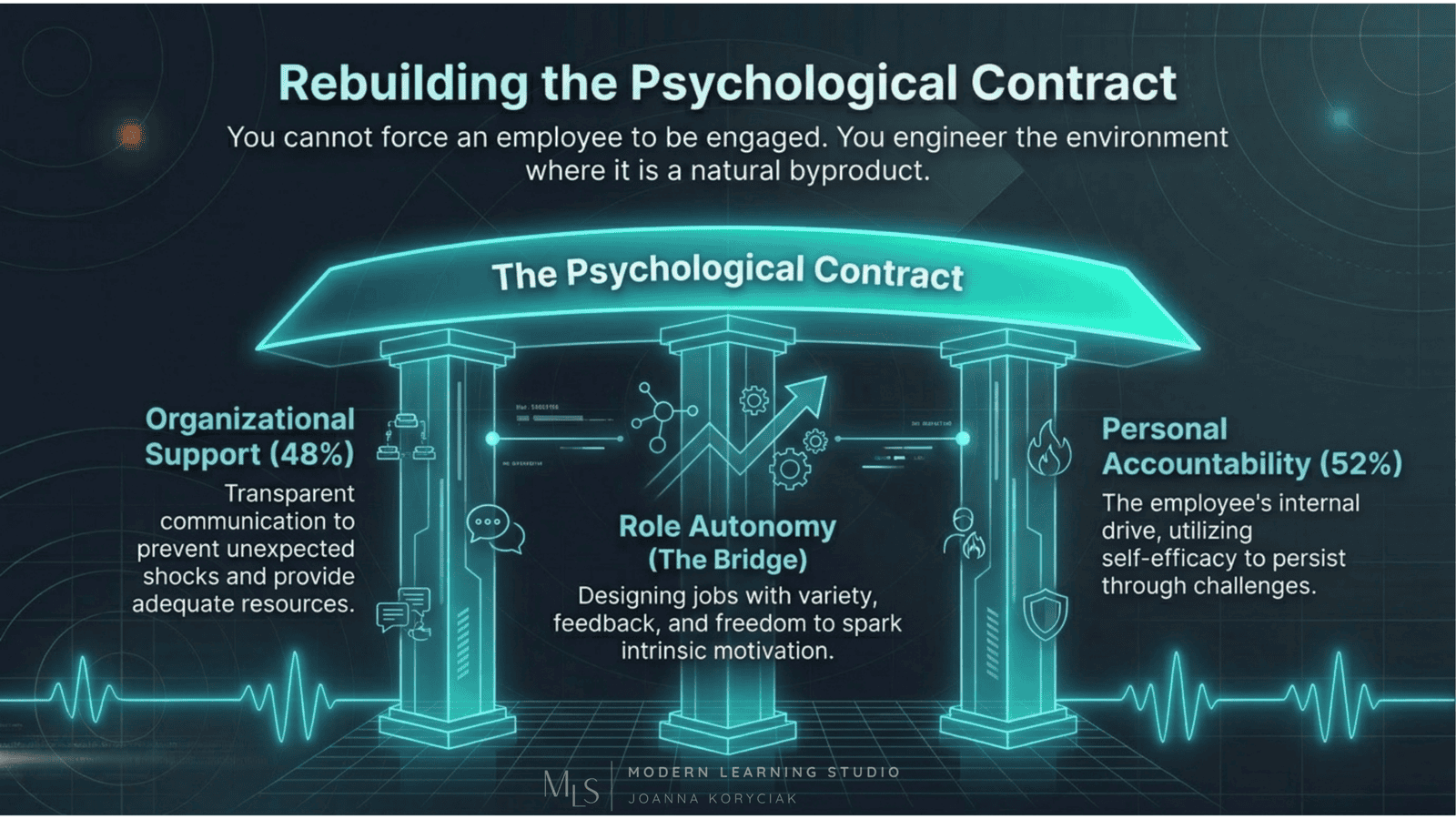
That means engagement is best understood as a shared ecosystem:
- employees contribute initiative, effort, adaptability, and accountability
- organizations provide structure, clarity, support, communication, autonomy, and psychological safety
The goal is not to eliminate turnover entirely.
Healthy movement will always exist within the workforce.
The goal is to reduce preventable disengagement created by avoidable organizational friction.
Because by the time a resignation becomes visible, the disengagement process has usually been unfolding for much longer behind the scenes.
And organizations that learn to detect the invisible drift early are far better positioned to build sustainable workforce engagement over time.